Virtual Reality in Medical Training: Immersive Learning Experiences
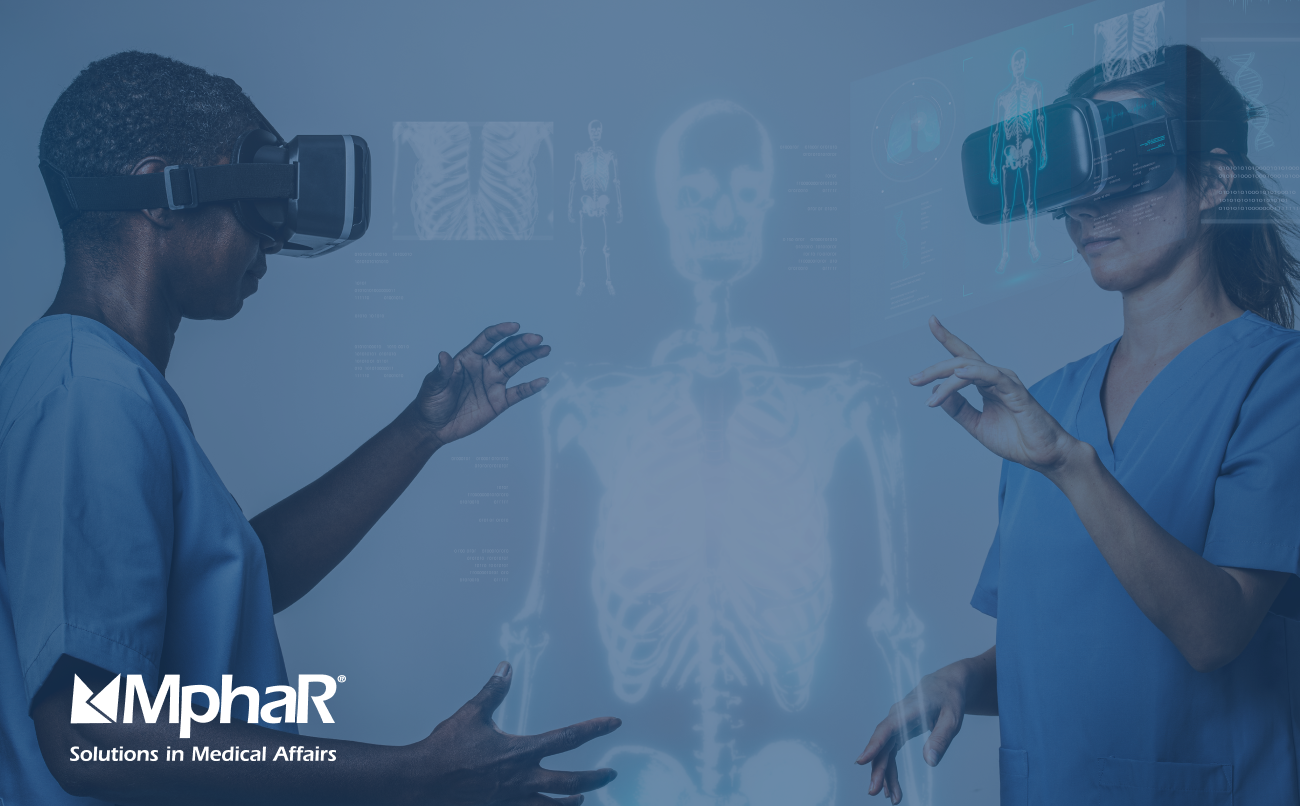
Contemporary medical education faces limitations in clinical exposure and resources, but virtual reality (VR) has emerged as a powerful solution. By recreating realistic and interactive clinical environments, VR allows healthcare professionals to actively engage in simulated experiences, enhancing skill refinement in a safe and scalable manner. Ultimately, this immersive technology promises profound improvements in training quality, competency development, and patient safety.


Sustainability in the Pharmaceutical Industry: A Greener Future for Healthcare

This blog post examines the environmental impact of the pharmaceutical industry, including high energy consumption and waste generation. It emphasizes the urgent need for sustainable practices, such as energy efficiency measures, water conservation, and waste reduction, to minimize environmental harm and ensure the industry’s long-term viability.

The Best Icebreakers for Virtual Meetings

The healthcare industry implemented different techniques to make interactions between pharmaceutical companies, healthcare professionals, and general physicians. Icebreakers for virtual meetings make it easy to connect with simple activities to build team camaraderie.

The Crucial Role of Understanding Disease Ecosystems in R&D and Medical Affairs

This article underscores the importance of understanding disease ecosystems in R&D and Medical Affairs. This article provides valuable data for understanding the significance of disease ecosystems and their requisite role in shaping the trajectory of medical and patient care advancements in the domains of research and development and Medical Affairs.

The Data-Driven MSL: Personalizing Patient Engagement and Professional Education with Analytics

The Medical Science Liaison (MSL) role is transforming from reactive to data-driven, leveraging analytics to provide highly personalized interactions for healthcare professionals and patients. This evolution enables MSLs to utilize diverse data types and analytical tools to tailor educational content, optimize communication, and measure impact with unprecedented precision.

The Ethical Implications of AI in Drug Discovery and Patient Care

AI is transforming healthcare by speeding up drug discovery and enhancing patient care, but it raises ethical challenges like bias, data privacy, and accountability. Ensuring fairness, transparency, and patient trust is key to making AI a supportive partner rather than a replacement for human judgment.

The Evolving Role of Medical Science Liaisons (MSLs)

This article will make a comprehensive dive into the transformation of MSLs, understanding how they have adapted to implement the demands of today’s healthcare infrastructure while contributing towards the consistent improvement in patient care. 

The Future of Medical Science Liaisons: Navigating the Digital Frontier

The pharmaceutical industry is undergoing a digital revolution, reshaping how Medical Science Liaisons (MSLs) engage with healthcare professionals by blending traditional fieldwork with virtual platforms and data-driven strategies. As hybrid models become the norm, MSLs are now expected to master digital tools, personalize scientific exchange, and interpret engagement data to drive strategic insights. Platforms like the Virtual Platform for Scientific Events and the Virtual Advisory Board Platform exemplify this shift, empowering MSLs to enhance reach, foster continuous engagement, and deliver high-impact, compliant scientific interactions.

The Future of Pharma: Top 5 trends impacting the pharmaceutical industry in 2023

Explore how the COVID-19 pandemic has accelerated pharmaceutical industry trends, shaping the future of global healthcare in 2023 and beyond.

The Impact of Personalized Medicine on Rare Disease Treatments: A New Frontier in Pharma

Personalized medicine is transforming rare disease treatment by tailoring therapies to an individual’s genetic makeup, lifestyle, and environment. Advances in genomic sequencing, gene and cell therapy, and AI-driven drug development are enabling more precise and effective treatments, offering new hope for patients with previously untreatable conditions. However, challenges such as high costs, regulatory barriers, and limited accessibility remain obstacles to widespread adoption. As biotech innovations continue to evolve, pharmaceutical companies play a critical role in driving research, developing targeted therapies, and improving patient outcomes.

×

Thank you! Your message has been sent.

    Get Case Study

    Improving the treatment care of patients with Multiple Myeloma through regular digital connection between International, National Experts and haematologists in Europe

      Get Brochure